
 By admin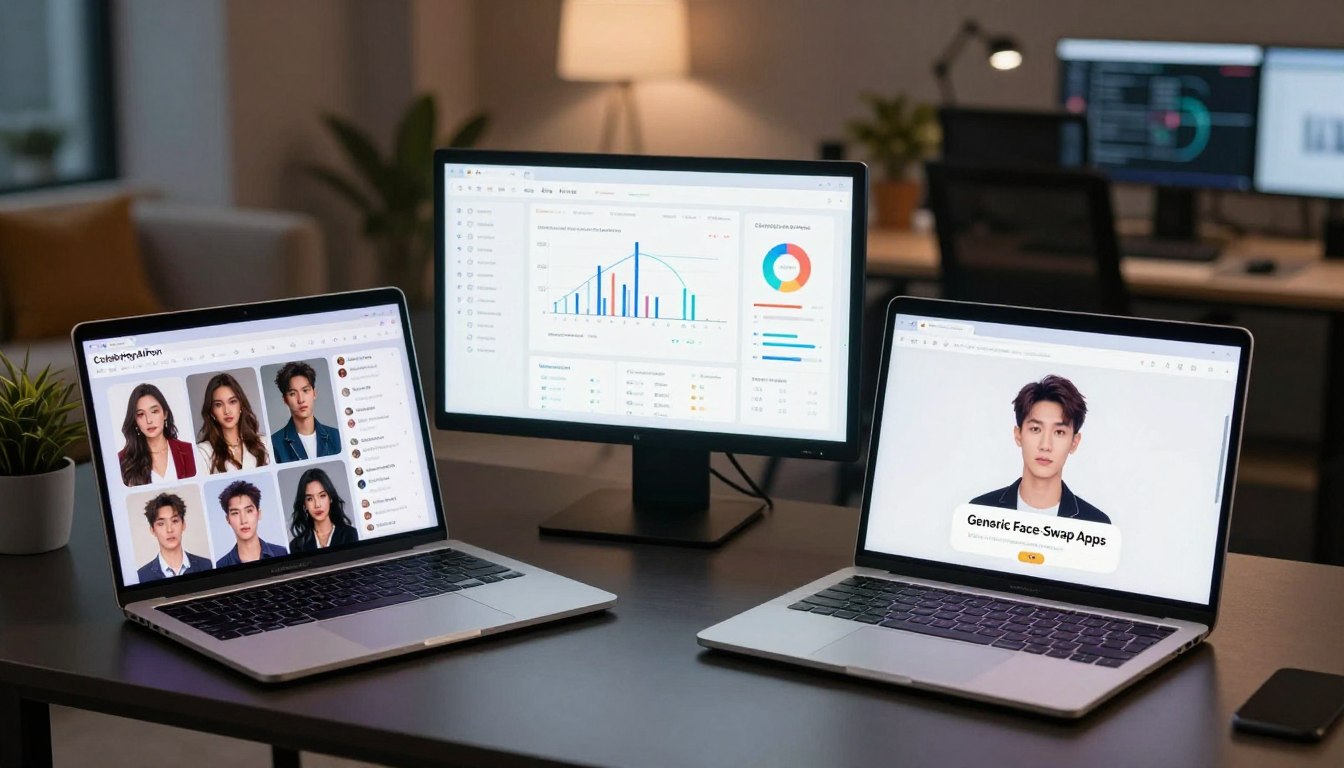
Ever thought if your digital editing software really fits your creative needs? The world of image manipulation is huge. It often leaves users unsure about the best platforms for their projects.
Finding your way through this complex world needs a clear view of the differences. A professional celebrity ai tool comparison can help. It shows you the gap between top-notch software and everyday apps.
Choosing the right technology is key to getting what you want without wasting time. This guide helps you pick the best option. It makes sure your choice fits your skills and artistic goals.
Key Takeaways
- Understand the fundamental differences between niche and general image software.
- Learn how to evaluate technical features for your specific creative projects.
- Discover why specialized platforms often outperform standard face-swap applications.
- Gain confidence in selecting software that matches your skill level.
- Make informed decisions to optimize your digital editing workflow.
Understanding the Landscape of AI Face-Swapping Technology
The world of digital image manipulation has grown fast. It now offers everything from fun mobile filters to serious software for professionals. Knowing the difference between these tools is key. This helps you guess how good your final image will look.
Distinguishing Between Neural Networks and Simple Filters
Looking at face swap vs neural network tech shows a big difference. Simple filters use basic 2D overlays to track face points like eyes and mouth. They’re easy to use but can’t handle complex lighting or odd angles well.
Neural networks, on the other hand, use deep learning to understand faces in 3D. They get skin texture, shadows, and small expressions. This makes them much better at creating realistic images than simple filters.
The Evolution of Deepfake and Face-Swap Tech
This tech has come a long way from simple pixel changes to advanced models. Early face-swapping was slow and needed a lot of manual work. Now, thanks to face swap vs neural tech, we can do real-time video swaps on regular computers.
Today’s deepfake tech uses generative adversarial networks, or GANs, for top-notch results. These networks compete to make the image look real. The best tools focus on high-fidelity reconstruction to make your projects look top-notch.
Defining Your Goals for AI Image and Video Manipulation
Your success in AI image and video manipulation starts with clear goals. Before choosing a platform, decide if you need quick content or hyper-realistic, long-form sequences. Knowing your needs helps avoid software that doesn’t meet your standards.
Identifying Your Primary Use Case
First, figure out what kind of media you’re working with. Are you making static portraits or complex video scenes? For quick social media content, speed and ease might be more important than detail.
But for professional films or digital art, you’ll need tools with more control. Identifying your primary use case helps you choose the right platform. You’ll avoid tools that are too simple or too complex.
Determining Desired Output Quality and Realism
How realistic you want your output to be is key. For high-fidelity projects, you need advanced neural networks. These handle lighting, skin texture, and motion blur well. Decide if you need photorealistic results or a stylized look for your brand.
The table below shows how different projects require different technologies:
| Project Type | Primary Need | Recommended Focus |
|---|---|---|
| Social Media Clips | High Speed | User-friendly interfaces |
| Professional Video | High Realism | Advanced GPU processing |
| Static Portraits | High Detail | Resolution upscaling tools |
| Experimental Art | Versatility | Custom model training |
By balancing speed and quality, you can create a sustainable workflow. Remember, the most expensive tool isn’t always the best for your vision.
Conducting a Comprehensive Celebrity AI Tool Comparison
Starting your search for the perfect AI tool? A detailed celebrity ai tool comparison is key. It’s important to look beyond the marketing and focus on what really matters. By setting clear criteria, you can weed out bad options and find tools that consistently deliver.
Comparing Ease of Use Across Platforms
The best software should be easy to use, even if you’re new to image editing. Look for tools with a clean design and simple navigation. Complexity often hides poor design, so aim for tools that let you get things done quickly.
Try out the onboarding process to see how fast you can start using it. A good platform will guide you with tooltips or a setup guide. If it takes hours to get started, it might not be right for you.
Analyzing Subscription Models and Cost Efficiency
Understanding the cost is crucial for long-term success. Many tools have different pricing levels, but make sure the features are worth the cost. For example, Candy AI is highly rated, making it a good benchmark for your celebrity ai tool comparison.
Always consider the cost per use, not just the monthly fee. Some tools offer unlimited use, while others limit your credits. Value for money means the quality matches the price.
Evaluating Community Support and Documentation
Even top software can have challenges. A strong community forum or detailed knowledge base is a sign of a reliable product. Check if the developers provide regular updates and clear guides for new features.
Active communities share tips and tricks that can improve your results. Joining these groups helps you solve problems faster and learn from others. Good support means your investment stays protected as the tech improves.
| Platform | Ease of Use | Pricing Model | Community Rating |
|---|---|---|---|
| Candy AI | Excellent | Tiered Subscription | 9.9/10 |
| Standard AI | Moderate | Pay-per-use | 8.2/10 |
| Basic Editor | Low | Free/Ad-supported | 6.5/10 |
Evaluating Specialized Celebrity AI Platforms
Exploring digital media, specialized AI platforms offer a unique way to handle celebrity content. They focus on high-fidelity results, unlike general apps. A detailed celebrity ai comparison helps find the best software for your creative needs.
Features Unique to Celebrity-Focused Models
These models use advanced facial recognition that goes beyond simple pixel mapping. They are specifically tuned to catch the unique bone structure and features of famous people. This ensures the final result looks very real.
Many platforms also offer automated lighting adjustments that match the original scene. This is key for keeping consistency when adding a face to a new setting. These specialized features greatly cut down on manual editing time.
Advantages of Pre-Trained Celebrity Datasets
The main perk of niche tools is their access to pre-trained datasets. These datasets have thousands of images of public figures, helping the AI learn about subtle expressions and angles. For example, the Celebrity Look Alike app uses this data for fast and accurate facial comparisons.
Using pre-trained models saves a lot of time and effort. This efficiency is great for users who need quick results without needing to know a lot about tech. You can get professional-grade swaps by just uploading your media.
Limitations of Niche AI Tools
These platforms are great at specific tasks but have some limits. They usually only work with a set library of faces, limiting your creativity. If you try to swap a face not in the database, the software might not work well.
Also, these tools often don’t offer the customization options found in general software. You might face limits on the media you can upload or the final output resolution. It’s crucial to consider these trade-offs during your celebrity ai comparison to make sure the tool fits your project needs.
| Feature | Specialized AI | Generic App |
|---|---|---|
| Facial Accuracy | High (Pre-trained) | Moderate |
| Ease of Use | Very High | Moderate |
| Customization | Limited | Extensive |
| Processing Speed | Fast | Variable |
Analyzing the Capabilities of Generic Face-Swap Applications
Understanding the difference between face swap vs neural is key in digital manipulation. Generic apps offer more than just famous faces. They are great for personal projects because they work with many types of images.
Versatility in Handling Non-Celebrity Content
Generic tools are flexible because they don’t need famous faces to work. They adjust to any face you upload. This means you can play with family photos, group shots, or creative projects without limits.
- Broad Compatibility: Works with any high-quality portrait.
- Creative Freedom: Ideal for memes, personal gifts, or digital art.
- Privacy-Focused: Often allows for local processing of sensitive personal images.
Performance Metrics for Real-Time Face Swapping
Speed is crucial when working with lots of media. Modern apps are fast, so you don’t wait long for results. For example, Swipey AI can make 4K images in under eight seconds.
This speed is a big plus when comparing face swap vs neural methods. You can try different looks and expressions quickly. This is great for those who need to make lots of images fast without losing quality.
Customization Options for User-Uploaded Media
These apps also let you customize your images a lot. You can change blending modes, skin tones, and facial features to look natural. This fine-tuning is what makes generic tools so useful for personal projects.
With these options, you can adjust images to fit your style or lighting. Whether you’re just having fun or making content, being able to tweak your images ensures they’re just right. This control is a key feature of modern face-swapping software.
Assessing Technical Requirements and Hardware Needs
Choosing between cloud-based platforms and local installations is crucial. It affects your workflow speed and control over your work. Before buying software, check if your machine can handle it or if you need remote servers.
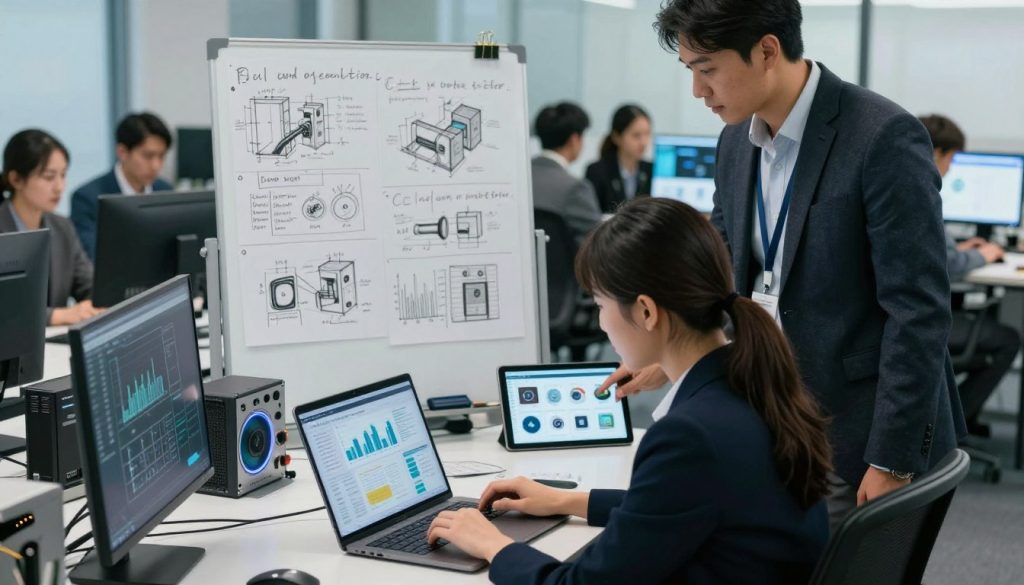
Cloud-Based Processing vs Local GPU Requirements
Cloud-based solutions are great for those without top-notch hardware. They use powerful servers to do the hard work, letting you use a simple laptop or tablet. Just upload your files, and the service will return the edited ones.
On the other hand, using software on your own computer gives you more control and privacy. You’ll need a strong GPU, like an NVIDIA RTX, for fast results. Without it, local rendering can take too long for big projects.
- Cloud-Based: Perfect for beginners, needing only internet, and no hardware worries.
- Local GPU: Ideal for experts, for quicker work and keeping data safe on your computer.
| Feature | Cloud-Based | Local GPU |
|---|---|---|
| Hardware Cost | Low (Subscription) | High (Initial Investment) |
| Processing Speed | Dependent on Server Load | Dependent on GPU Power |
| Data Privacy | Platform Dependent | Full User Control |
Software Compatibility and Operating System Constraints
It’s important to make sure your software works with your operating system. Many AI tools are made for Linux or Windows, leaving macOS users with fewer choices. Always check the developer’s site for system requirements before buying.
Also, software needs to work with your drivers and libraries. You might need to install special versions of CUDA or Python. Always update your graphics drivers to avoid crashes and get the most from your AI tools.
Navigating Ethical Considerations and Platform Safety
Your journey into AI face-swapping should always prioritize personal security and moral responsibility. As this technology becomes more accessible, understanding the implications of your digital footprint is essential for a safe experience.
Understanding Consent and Digital Rights
The most critical aspect of using AI tools is respecting the rights of others. You should only manipulate images for which you have explicit permission or clear ownership.
Digital rights extend beyond simple ownership; they encompass the ethical treatment of a person’s likeness. Always consider the potential impact of your creations before sharing them publicly or privately.
Identifying Secure Platforms and Data Privacy Policies
Not all AI platforms handle your data with the same level of care. It is vital to read the privacy policy of any tool you use to understand how your uploaded images are processed and stored.
Some reputable services, such as StarByFace.com, prioritize user privacy by explicitly stating that they do not store uploaded photos after the recognition process is complete. Choosing platforms with transparent data practices is the best way to keep your personal information secure.
How to Spot Malicious Software
Be wary of tools that require excessive permissions or seem to operate outside of standard browser environments. If a website forces you to download suspicious executable files, it is likely a red flag for malware.
Always check for secure connection indicators, such as the padlock icon in your browser’s address bar. If a site lacks an SSL certificate or displays frequent, aggressive pop-ups, avoid it entirely to protect your device.
Protecting Your Personal Data During Uploads
You can take proactive steps to minimize your exposure when using AI face-swap applications. Avoid uploading high-resolution photos that contain sensitive metadata, such as GPS location tags or personal identifiers.
Consider using anonymized images or cropped versions of photos whenever possible. By limiting the amount of identifiable information you share, you maintain control over your digital identity while still enjoying the creative possibilities of AI technology.
Step-by-Step Guide to Selecting the Right Software
Finding the right AI tool can be tough without a clear plan. By breaking down your search into steps, you can find the perfect fit for your creative needs. This method helps you avoid mistakes and make a smart choice.
Step One: Define Your Project Scope
First, decide what you want to achieve. Think about if you need detailed video editing or just simple filters for social media. Being clear here saves time and money later.
Consider your technical needs and the quality you want. For professional work, look for tools that handle high-resolution and advanced features. Writing down what you need helps guide your search.
Step Two: Test Free Versions of Generic Apps
Most apps offer free trials. Use these to try out the interface and basic features without spending money. Testing hands-on is the best way to see if a tool works for you.
Focus on how the app handles your files. If it’s slow or hard to use, move on. This step helps you find apps that meet your basic needs.
Step Three: Compare Against Specialized Celebrity Tools
After trying generic apps, look at specialized tools. A celebrity ai comparison shows that niche tools often give better results. They’re trained on large datasets, making the output more realistic.
“The true power of AI lies in choosing the right tool for the specific task at hand, rather than relying on a one-size-fits-all solution.”
Step Four: Finalize Your Subscription Choice
After testing, compare subscription options. Look for clear pricing and flexible plans that fit your use. Long-term value is more important than a cheap start.
| Evaluation Criteria | Generic Apps | Specialized Tools |
|---|---|---|
| Ease of Use | High | Moderate |
| Realism Level | Standard | High |
| Cost Efficiency | Budget-Friendly | Premium |
| Target Audience | Casual Users | Professionals |
Make sure the platform is known for privacy and security. By following this celebrity ai comparison, you can choose a subscription that supports your creative work long-term.
Optimizing Your Workflow with the Premium Stack
A well-organized production setup is key to top-notch results. By mixing specialized AI tools with standard software, you build a premium stack. This stack makes your creative process smoother. Each tool has a clear role in your workflow.
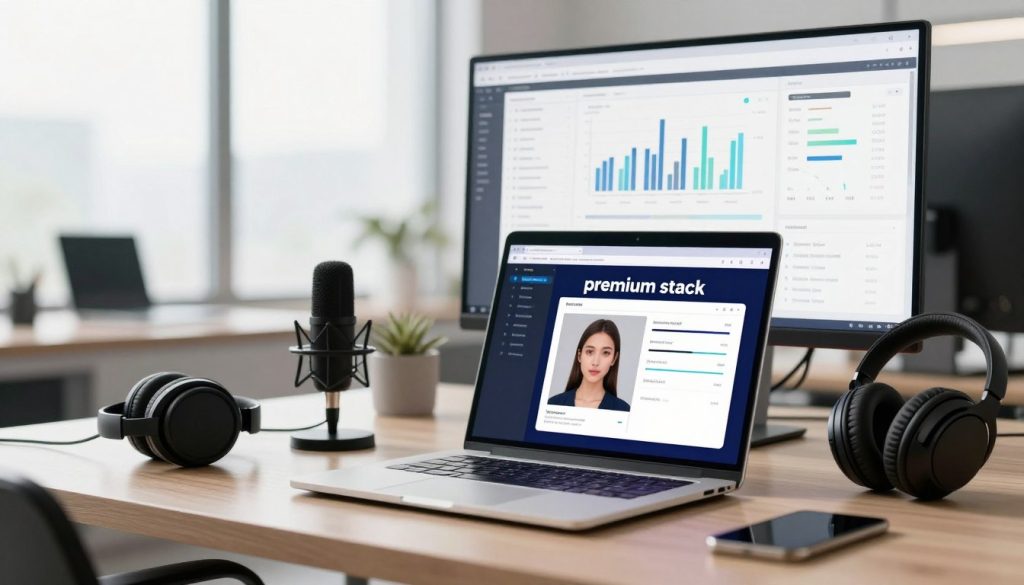
Integrating Face-Swap Tools with Editing Software
Effective workflows move AI assets straight into Adobe After Effects or DaVinci Resolve. These platforms offer detailed control over your face-swaps. Seamless integration lets you treat AI outputs as raw footage for better realism.
Keep AI exports at high resolution before editing. This avoids losing quality when moving between tools. Good file management keeps your project tidy as you add more details.
Enhancing Results with Post-Processing Techniques
AI output often needs a final touch to match the original video. Use color grading to match skin tones and lighting. Advanced masking techniques help hide seams and make edges look natural.
Adding motion blur or grain can make synthetic footage look more real. These small tweaks can make a big difference. Always keep your lighting and texture settings consistent.
Managing Your Premium Stack for Maximum Efficiency
Efficiency comes from managing your premium stack well. Use a clear naming system for files to avoid confusion. Regularly clean your cache and organize assets to keep your system running smoothly.
Document your best settings for future projects. Refining your premium stack saves time on repetitive tasks. This lets you focus on the creative parts of your work.
Conclusion
Choosing the right AI software is a big decision. It needs a mix of technical power, ethics, and project goals. Now, you know how to make this choice with confidence.
Building a strong premium stack helps you work more efficiently. It keeps your work quality high. This set of tools is key for your biggest visual projects.
Choose platforms that keep your data safe and respect digital rights. This ensures your work stays professional and secure at every step.
Try out different setups to find what fits your style best. A well-chosen premium stack saves time and boosts your results. Begin your next project today and see how these tools bring your ideas to life.
FAQ
How do I choose between a specialized platform and a generic face-swap application for my project?
Choosing depends on your goals. For celebrity comparisons, use Candy AI or Celebrity Look Alike for better accuracy. For personal media, generic apps offer more customization.
What is the technical difference between using simple filters and advanced neural networks?
Simple filters just place an image on a face, causing “uncanny valley” effects. Neural networks, used by top tools, blend faces seamlessly. They keep the original expressions and movements.
Are there specific platforms that guarantee my data privacy during the face-swapping process?
Yes, privacy matters. StarByFace.com doesn’t store your photos after processing. Always choose platforms with clear data policies and avoid those with unclear privacy agreements.
How fast can I expect high-quality AI images to be generated?
Wait times vary by tool. Swipey AI generates 4K images in under eight seconds. Choose cloud-based tools if you don’t have a high-end GPU.
What does a “premium stack” consist of for professional AI content creation?
A premium stack includes top AI tools and editing software. Use Candy AI for generation and edit in suites for color and sharpening. This combo boosts realism and efficiency.
Is it more cost-effective to pay for a subscription or use free AI tools?
Free apps have limits like watermarks and low resolution. For pro results, consider subscriptions. Candy AI offers great value with high-resolution exports and fast processing.