
 By admin
Ever wondered if someone in a viral video is really who they say they are? As technology gets better, it’s harder to tell what’s real and what’s not.
Deepfakes are spreading fast in porn, politics, and business. This is a big problem for everyone, especially famous people.
Knowing about these digital dangers is key to staying safe online. We’ve put together this celebrity ai faq to help you understand synthetic content better.
By looking into the tech, ethics, and laws of this area, you’ll learn to spot fake media. Let’s dive into how these tools work and why you should pay attention.
Key Takeaways
- Deepfake technology is spreading fast in porn, politics, and business.
- Synthetic media is a big threat to privacy and online safety.
- It’s important to know how digital tricks work for today’s media literacy.
- Legal and ethical rules are having trouble keeping up with new tech.
- This guide will help you safely spot and avoid fake content.
Understanding the Landscape of AI-Generated Content
Getting to know how AI-generated content works is key to understanding today’s digital world. You might be seeing synthetic media more than you think. These tools have gone from being in labs to being available to everyone.
Defining Synthetic Media and AI Personas
Synthetic media includes digital stuff like images, videos, and sounds made or changed by AI. At the core are AI personas, digital versions of people made by smart algorithms.
These personas can look, sound, and act like real people. To get a better idea, let’s look at what makes them work:
- Text-to-Image models: These systems turn written descriptions into real-looking pictures.
- Text-to-Video services: They can make still images move or create videos from scratch.
- Deep Learning frameworks: The tech that lets machines learn from huge amounts of human images.
The Evolution of Generative Adversarial Networks
The heart of today’s fake images is the Generative Adversarial Network, or GAN. It’s a battle between two neural networks: one makes images, the other checks if they’re real.
As the maker gets better at fooling the checker, the images get more real. This back-and-forth has made it possible to create fake images that look very real.
This tech is changing fast, so it’s important to stay up to date. Looking up a celebrity ai faq can help you tell real from fake. Knowing the basics helps you make sense of what you see online every day.
Technical Quality and Realism in AI Imagery
Understanding visual inspection is crucial in the world of celebrity ai faq. As tech improves, experts are creating high-definition video deepfakes. But, even the best models can have small digital clues that you can spot.
Assessing Resolution and Texture Accuracy
When checking an image’s authenticity, look at the texture of the skin and fine details. AI models might not get human pores, freckles, or stray hairs right. If the skin looks too smooth or “waxy,” it’s likely fake.
Also, examine the background. AI often can’t keep focus right, causing unnatural blurring or shapes that don’t fit the scene.
Common Artifacts in AI-Generated Human Figures
Artifacts are errors that happen when AI makes images. These glitches are key in any celebrity ai faq about checking media. Common problems include:
- Blending errors: Where the subject meets the background, you might see jagged edges or halos.
- Symmetry issues: AI often struggles with perfectly mirroring features like earrings or glasses.
- Repetitive patterns: Look for identical textures in clothing or hair that suggest a repeating algorithm.
Identifying Lighting Inconsistencies
Lighting is hard for AI to get right. Check if the light source in the scene matches the shadows cast by the subject. If the highlights on the face don’t match the ambient light, the image is likely fake.
Detecting Anatomical Distortions
Anatomical accuracy is a big challenge for AI models. You can often spot synthetic content by checking these areas:
| Feature | Common AI Error | What to Look For |
|---|---|---|
| Hands | Extra or missing fingers | Check for unnatural joints |
| Eyes | Pupil shape irregularities | Look for mismatched reflections |
| Teeth | Blurred or merged shapes | Count the teeth for symmetry |
By using these technical checks, you can better spot fake images. Knowing these signs is key for anyone using a celebrity ai faq to tell real from fake.
Navigating the Celebrity AI FAQ and Ethical Boundaries
AI technology is growing fast, raising big questions about privacy and ethics. As you explore this digital world, think about how your actions impact real people. This celebrity faq is here to guide you through the complex ethical issues online.

Addressing the Morality of Non-Consensual Content
Sharing deepfake porn without permission is a huge violation of privacy. Laws in places like South Korea, the UK, and some US states now punish this harshly. They aim to protect people from harm.
Engaging with such content harms our values. Remember, consent is not optional online. This faq helps you see why using someone’s image without permission is wrong.
The Impact of AI on Public Image and Reputation
AI can hurt public figures’ careers and personal lives. A fake image can ruin someone’s reputation. Protecting one’s reputation is harder now that fake media is so easy to find.
The harm to the victim is often ignored. Viewing a celebrity faq shows that real people are behind AI images. Keeping a safe distance from harmful content helps create a better online world.
Distinguishing Between Satire and Malicious Deepfakes
Not all AI content is the same. Knowing the difference is key. Satire is meant to criticize or entertain, but malicious deepfakes aim to deceive or harm.
Always check the context and purpose of the media. If it’s meant to mock or degrade without consent, it’s harassment. This faq helps you tell the difference between ethical and unethical content.
Legal Implications and Consent Frameworks
Have you ever thought about how laws protect your image from AI tricks in today’s world? As AI gets smarter, laws are trying to keep up. This celebrity faq helps you understand the legal challenges in this fast-changing tech world.
Right of Publicity Laws in the United States
In the U.S., the right of publicity stops people from using your name or image without permission. These laws are mostly at the state level, not federal. So, your rights can change a lot depending on where you live.
Now, courts are figuring out if AI deepfakes break these laws. Many think unauthorized digital impersonation should be treated as seriously as real identity theft.
Copyright Challenges for AI-Generated Likenesses
Copyright law is tricky for AI-made content. It usually needs a human creator to be protected. So, AI images often fall into a gray area where it’s hard to say who owns them.
This makes it tough for people to control their digital image. Without clear ownership, fighting against misuse can be very hard and expensive.
The Role of Federal Legislation in Protecting Individuals
Lawmakers are starting to see the need for strong laws against AI misuse. For example, the EU AI Act requires clear transparency about AI use. In the U.S., there are talks about:
- Creating a federal right of publicity for consistent protection.
- Using watermarking for AI content to help people understand it better.
- Setting up easier ways for victims to get help and damages.
As you explore this area, knowing about these law changes is crucial. Even though laws are still evolving, understanding these rules is key to protecting your online presence.
Platform Policies and Content Moderation Standards
The digital world is changing fast. In February 2024, the European Union made a big move. They banned sharing non-consensual deepfake porn. This change means big tech companies must update their ai policy to keep users safe. It’s key to know about these updates for online safety.
How Major Platforms Handle Synthetic Nudity
Top social media sites now ban non-consensual sexual images. They use both people and AI to check content. But, stopping all bad content is hard because of how much is posted every day.
The Effectiveness of Automated Detection Tools
AI tools are the first defense against bad deepfakes. But, they’re not perfect. Smart scammers can trick these systems by adding small changes. So, people still need to check AI’s work.
Reporting Mechanisms for Harmful AI Content
If you see bad content, report it right away. Most platforms have tools for this. Reporting helps remove the bad stuff and find who did it. Keep records of your reports for your own safety.
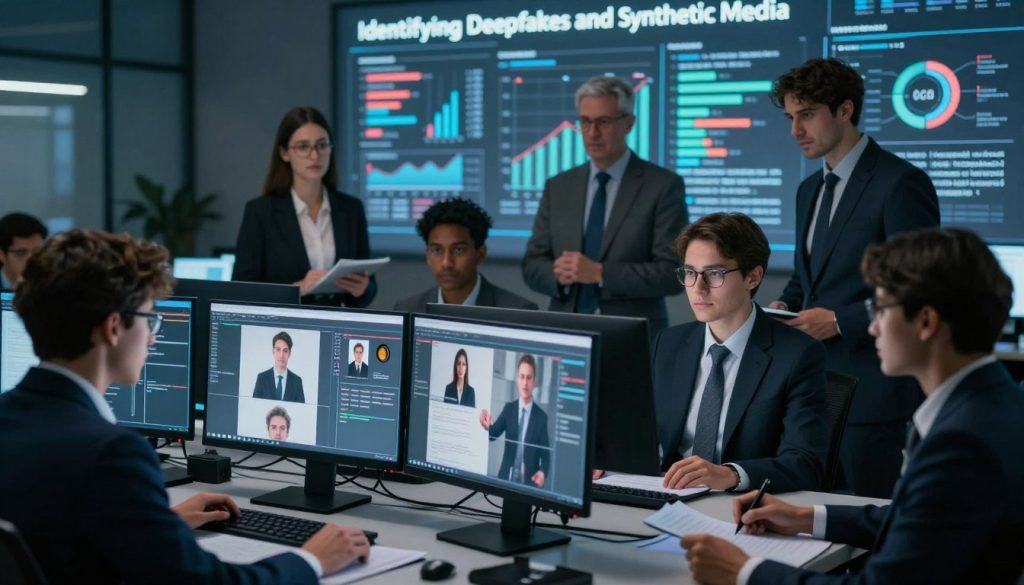
Identifying Deepfakes and Synthetic Media
Learning to spot synthetic images is key to avoiding online scams. As deepfakes get easier to make, knowing how to spot them is crucial. Here are some tips to help you stay safe online.
Visual Cues for Spotting AI Manipulation
When you see something that looks off online, check the details. AI often gets lighting and movement wrong. Look for things like uneven blinking or skin that looks too perfect.
Also, watch the edges of faces and hair. Deepfakes often have glitches or artifacts where the fake face meets the real background. If shadows don’t match the light, it’s likely fake.
Tools for Verifying Digital Media Authenticity
There are tools to check if a file is real. Reverse image search engines can show if a photo has been used elsewhere. These tools give you user answers about a photo’s history.
Another way is to check the metadata. AI-made files often don’t have the usual EXIF data. Here’s a table to help you spot the difference.
| Feature | Authentic Media | Synthetic Media |
|---|---|---|
| Blinking Patterns | Natural and rhythmic | Erratic or absent |
| Skin Texture | Visible pores and blemishes | Overly smooth or plastic |
| Metadata | Contains camera info | Often stripped or missing |
| Edge Alignment | Seamless integration | Visible blurring or halos |
By using these methods, you can be smarter about what you share online. Always check where content comes from. This helps stop fake news from spreading. We hope these tips help you stay safe online.
Protecting Personal Privacy in the Digital Age
Keeping your privacy safe in today’s world of advanced AI needs you to be proactive. As AI models get better, the chance of your data being used for training grows. Knowing these risks is the first step to taking back control of your online life.
Securing Your Digital Footprint Against AI Scraping
Places like GitHub are key spots for deepfake tech. Developers often use public data to train AI, often without asking. This turns your social media and videos into material for fake media.
To stay safe, check your privacy settings on social media. Make sure your profile is only visible to friends to block scrapers. Also, tell platforms how you feel about your data when they update their rules for AI use.
Steps to Take if Your Likeness is Misused
Seeing your likeness in a deepfake can upset you. If you find unauthorized use, act fast. Many sites have tools to handle misuse of your image.
Here’s what to do next:
- Document the evidence: Save screenshots of the content and where it’s found.
- Report the content: Flag it as a privacy breach through the site’s “Report” or “Help” section.
- Contact legal counsel: If it’s a serious issue, talk to a lawyer who knows about digital rights.
This table shows how to keep your digital life safe and handle threats. These user answers help you stay secure in a fast-changing world.
| Strategy | Action Level | Primary Benefit |
|---|---|---|
| Privacy Audits | High | Reduces data exposure |
| Watermarking | Medium | Deters unauthorized use |
| DMCA Takedowns | High | Removes infringing content |
| Platform Reporting | High | Enforces community standards |
Responsible Consumption and Digital Literacy
Digital literacy is key to fighting harmful AI-generated images. As synthetic media gets better, knowing what’s real and what’s not is crucial. Critical thinking is now a must-have skill for all internet users.
Developing a Critical Eye for Online Media
If you find something suspicious online, check its source before sharing. Look for odd lighting, texture, or body parts that might be fake. Reporting user answers about suspicious content helps make platforms safer.
Be cautious of viral content that tries to make you feel strongly. Slowing down how fast you consume media can stop harmful deepfakes from spreading. This mindful approach stops the spread of bad stories.
Promoting Ethical Standards in AI Development
You have a big role in shaping tech’s future by supporting ethical platforms. Choosing services that value consent and openness helps the industry ai policy. Support companies that put safety first.
Improving ethics in computer science is vital. Your feedback helps developers make better tools. By demanding honesty, you push for ai policy that respects human values and rights.
Creating a culture of ethical use can reduce deepfake harm. Your choices help make the internet safer and more open. Together, we can make sure tech benefits everyone, not just a few.
Conclusion
Generative technology is growing fast, and you need to stay safe online. Now, you know how to spot fake images and keep your identity safe.
Keeping up with new ai rules is key to protecting yourself. Laws change fast to fight privacy and reputation threats.
You have a big role in making the internet safer. By pushing for clear ai rules, you help ensure respect for people’s rights.
Learning about digital safety is crucial. Always question what you see online to keep yourself safe.
Supporting fair ai rules makes the internet safer for all. By staying alert and informed, you help shape a better future for AI.
FAQ
What is the current state of synthetic media and why is it expanding so rapidly into digital sectors?
Synthetic media is growing fast, moving from labs to everyday use in politics, business, and entertainment. You’ll see deepfakes everywhere, from marketing to political tricks. This guide helps you understand these risks and stay safe in a world where digital and real blur.
How are AI personas constructed using Generative Adversarial Networks (GANs)?
AI personas are made with Generative Adversarial Networks (GANs). These networks create realistic digital copies. Now, tools like Midjourney or Stable Diffusion make it easy to create fake images of celebrities. Knowing how this works is key to this guide.
How can you evaluate the technical quality and realism of AI-generated imagery?
Check the image’s resolution and texture to spot AI tricks. Look at Taylor Swift or Justin Bieber’s skin and hair closely. AI often can’t get these right. This guide teaches you to spot fake images.
What are the common anatomical distortions and lighting inconsistencies in AI figures?
AI figures often have wrong body parts or bad lighting. Shadows might not match the scene’s light. Learning to spot these helps you trust digital media.
Why is it vital to address the morality of non-consensual AI content?
Non-consensual AI content is a big violation of privacy and rights. Seeing deepfakes of stars like Scarlett Johansson is a wake-up call. This guide stresses the harm of such content.
How can you distinguish between harmless satire and malicious deepfakes?
Satire is for commentary and is clear. Malicious deepfakes aim to deceive or harm. This guide helps you understand the difference.
What legal protections are provided by Right of Publicity laws in the United States?
Right of Publicity laws protect your identity and likeness from misuse. These laws are tested by AI content of stars like Tom Hanks. This guide explains how these laws help protect you.
How does the EU AI Act impact the regulation of AI-generated likenesses?
The EU AI Act requires clear labels on synthetic content. It’s a big step towards a safer digital world. This guide explains how it works.
What is the current ai policy of major platforms like Meta and TikTok regarding synthetic nudity?
Meta, TikTok, and X ban synthetic nudity and deepfakes. They use tools to find and remove harmful content. This guide keeps you updated on these policies.
How effective are automated detection tools in identifying sophisticated deepfakes?
Automated tools are getting better but still fail sometimes. High-quality deepfakes can slip through. This guide teaches you to be careful and question content.
Which digital forensic techniques can you use to spot AI manipulation?
Use tools like Google Lens and metadata analysis to check content. Look for inconsistencies in digital “noise.” This guide shows you how to spot AI tricks.
What tools are available for verifying the authenticity of digital media?
Tools like Microsoft’s Video Authenticator help verify content. They provide a digital trail for images and videos. This guide recommends using these tools to fight misinformation.
How can you secure your digital footprint against unauthorized AI scraping?
Adjust your privacy settings and be careful with photos online. AI models are trained on web data. This guide advises on protecting your data from AI misuse.
What are the immediate user answers for someone who discovers their likeness has been misused?
Report the misuse to the platform, file a DMCA notice, and seek legal advice. This guide helps you take action to protect your digital identity.
Why is developing a critical eye essential for consuming online media today?
A critical eye helps you spot fake content. By questioning what you see, you contribute to a more informed society. This guide helps you stay sharp in a world of fake media.
How do your individual choices contribute to a broader ai policy shift?
Your choices, like refusing to share unverified content, send a message. They help drive responsible AI development. This guide empowers you to shape the future of digital ethics.