
 By admin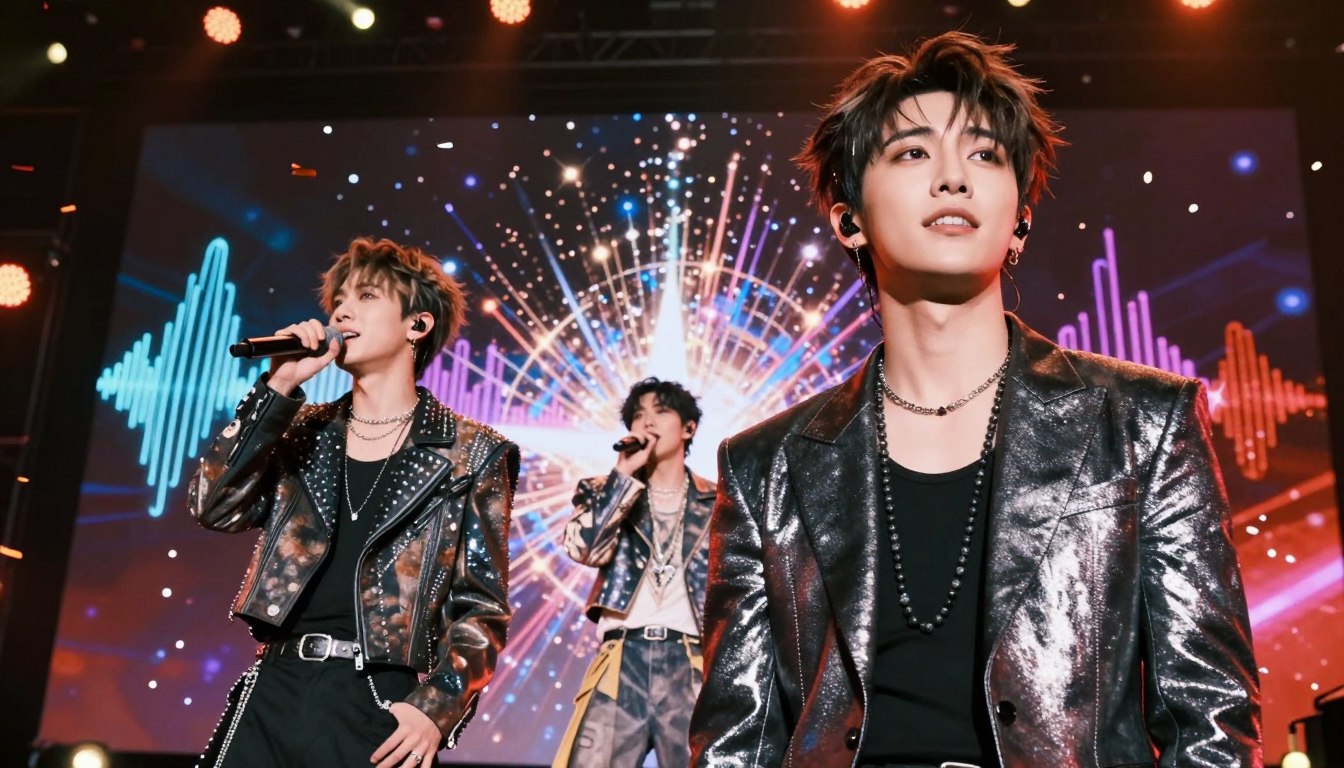
Ever wondered how artists capture the buzz of a live concert in one perfect image? Creating celebrity ai pop icons is more than just typing a prompt. It’s about knowing lighting, texture, and how to arrange things.
This guide will show you the key tools for making top-notch visuals. You’ll learn to add sparkle effects and stage lighting to your digital work. With these advanced techniques, your projects will look professional.
If you’re a designer or content creator, these tips will make your work pop. We’ll take you from the first idea to the final 4K image. Get ready to boost your next project with these celebrity ai pop icons.
Key Takeaways
- Master the art of professional stage lighting for digital portraits.
- Learn to apply realistic sparkle effects to enhance visual impact.
- Understand the workflow for generating high-resolution 4K imagery.
- Discover how to maintain artistic consistency across your digital assets.
- Leverage modern tools to elevate your creative production quality.
Setting the Stage for Celebrity AI Pop Icons
Your journey into digital artistry starts with setting your aesthetic goals for celebrity ai pop icons. Having a clear vision is key to creating images that connect with your audience. This ensures every image is of high quality and stays true to your theme.
Defining Your Artistic Vision
Before starting, plan the mood and style of your project. Do you want a gritty concert vibe or a sleek magazine look? Defining your artistic vision helps you work more efficiently and avoid mistakes.
“The intersection of human creativity and machine intelligence is where the future of digital performance art resides.”
Consistency is crucial for a professional collection. A clear plan helps keep your visual style consistent across many images. This is what makes your celebrity ai pop icons stand out.
Selecting the Right AI Generation Tools
Picking the right software is vital for your goals. Look at different platforms based on your skill level and what they offer. Some are great for photorealism, while others let you control lighting and textures.
| AI Platform | Best For | Skill Level |
|---|---|---|
| Midjourney | Artistic Flair | Intermediate |
| Stable Diffusion | Custom Control | Advanced |
| DALL-E 3 | Ease of Use | Beginner |
Try out these platforms to find the best fit for your needs. With the right tool, you can create stunning celebrity ai pop icons that feel like a live show.
Mastering Prompt Engineering for Pop Star Aesthetics
To get a professional look for your digital icons, you need to understand how AI works. By improving your prompt structure, you get greater control over the image and style. This lets you create high-quality, artistic images that show your unique vision.
Crafting Descriptive Prompts for Celebrity Likeness
When you want to capture a celebrity’s likeness, being precise is key. Use technical descriptors like facial structure and lighting angles. This ensures the image is accurate. It’s also important to stay professional and avoid using inappropriate terms, like pop icon ai porn.
Using detailed language helps the AI create a specific, recognizable image. Consistency in your vocabulary leads to better results. Always aim for high-resolution descriptions to meet your quality standards.
Incorporating Concert Vibes into Your Prompts
To make your digital icons come alive, add the energy of a live concert. Include details like stage smoke and dynamic laser beams. These elements create a high-energy visual experience.
Atmospheric lighting is also key for the right mood. Describe the shadows and bright stage lights to add realism. Adding these concert vibes to your workflow makes your icons look like they belong on a world-class stage.
Implementing Professional Stage Lighting Techniques
You can turn static AI images into lively shows by learning stage lighting tricks. Lighting connects a flat digital image to a dynamic and immersive experience. By controlling light on your subject, you bring out the real concert vibes seen in top music photos.
Simulating Spotlights and Volumetric Fog
To get a pro look, you need to play with light and atmosphere. Volumetric fog is key because it makes light beams stand out, adding depth and size to your stage. When you ask for “sharp spotlights” or “hazy stage,” the AI works out how light moves through the air.
Make sure to have a strong contrast between light and shadows. This trick captures the intensity of a live show. Strategic placement of lights keeps your pop icon in the center of the picture.
“Lighting is not just about visibility; it is the primary tool for storytelling on stage. It dictates the mood and intensity of every single performance.”
Using Color Palettes for High-Energy Performances
Choosing colors can really boost your image’s energy. High-energy shows often use bright colors like electric blue, hot pink, or deep violet. Pick a color scheme that fits your AI’s personality while keeping those concert vibes.
Here’s a table to guide you in picking the right lighting mood for your next project:
| Lighting Style | Primary Colors | Emotional Impact |
|---|---|---|
| Electric Pop | Neon Pink, Cyan | High Energy, Youthful |
| Dramatic Ballad | Deep Blue, White | Intimate, Emotional |
| Rock Anthem | Fiery Red, Amber | Aggressive, Powerful |
Layering these colors gives your images a cinematic look that feels thoughtful and refined. Trying out different palettes helps you build a consistent look for your icons.
Applying Sparkle Effects and Post-Processing Magic
The secret to a commercial-grade pop icon lies in the final layers of digital polish. Your AI generation provides a strong foundation. Post-processing adds the essential flair that makes your work stand out. By layering effects, you create depth and excitement, capturing the energy of a live concert.
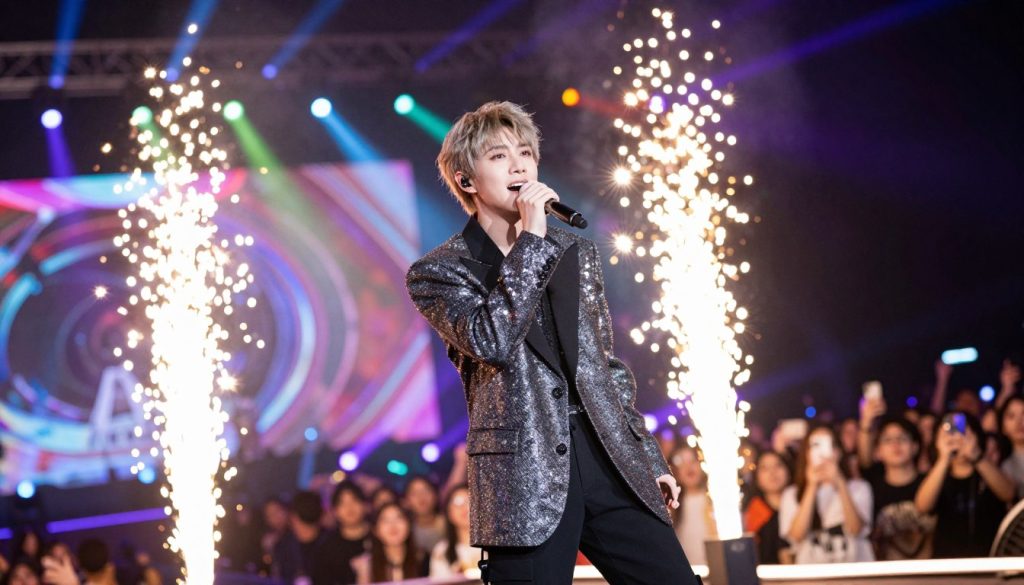
Adding Lens Flares and Glitter Overlays
To capture the high-energy atmosphere of a stadium show, add lens flares and glitter overlays. These elements mimic stage lights and camera lens interactions, adding a cinematic quality. Place flares near light sources to guide the viewer’s eye to the celebrity’s face.
Glitter overlays add a subtle shimmer to clothing and jewelry. Keep the opacity low to avoid distraction. This technique makes the image feel like a moment from a high-budget music video.
“The difference between a good image and a great one is often found in the subtle details that breathe life into the final composition.”
Enhancing Texture with Digital Sparkle Brushes
Use digital sparkle brushes to refine specific areas of your icon. These brushes highlight skin textures, sequins, or metallic accessories with precision. Painting in highlights gives a glamorous appearance that catches the light realistically.
Focus on areas where light naturally hits the subject, like cheekbones or shoulders. This manual touch makes your AI-generated character feel grounded and tactile. The following table outlines how different post-processing tools contribute to your final output:
| Tool Type | Primary Function | Visual Impact |
|---|---|---|
| Lens Flares | Simulate Stage Lighting | High Cinematic Energy |
| Glitter Overlays | Add Surface Texture | Glamorous Shimmer |
| Sparkle Brushes | Highlight Details | Refined Clarity |
| Color LUTs | Adjust Mood | Professional Grading |
Using these tools consistently will help you maintain a high-end finish. Remember, moderation is key when applying these effects. With practice, you’ll develop a signature style that makes your pop icons stand out.
Achieving 4K Closeups with AI Upscaling
To turn your AI pop icons into 4K wonders, you need a smart upscaling plan. High-resolution images are key for top-notch digital art. This is especially true for big prints or HD screens. By getting good at these steps, your work will shine with highest industry standards clarity and impact.
Selecting the Best Upscaling Models
Not all upscaling tools are the same when keeping celebrity looks true. Look for models that use generative adversarial networks to fill in missing pixels. Favorites like Topaz Gigapixel AI or Magnific AI are great because they get textures right.
When picking a model, think about what your image needs. Some models are better at reducing digital noise, while others keep sharp edges. Try out different models on one picture to see which fits your style best.
Refining Facial Details and Skin Textures
The real challenge is keeping skin textures natural without looking fake. You need to fine-tune sharpening to avoid overdoing it on eyes and lips. Small tweaks to the denoising can make a big difference for celebrity shots.
If upscaled images have unwanted flaws, try a second pass with a light texture layer. This adds back in skin pores and small imperfections lost in the first pass. By carefully refining these details, your 4K images will be sharp, real, and ready for pros.
Optimizing Composition for Maximum Impact
Mastering composition turns simple AI images into top-notch portraits. Arranging elements with care captures the true concert vibes of music photography. Good framing keeps the audience’s focus on the star, feeling the show’s energy.
Applying the Rule of Thirds in Concert Photography
The rule of thirds makes your photos lively, not static. It divides your frame into a grid, placing your icon at key points. This balance and movement naturally guide the viewer’s eye.
This method avoids the artificial feel of centering. It brings a dynamic flow, like a live show. Strategic placement keeps that high-energy feel in every shot.
Balancing Foreground Elements and Background Blur
For a pro look, think about your image’s depth. Adding stage railings or crowd silhouettes creates immersion. It makes the viewer feel like they’re right in the front row, enjoying the concert vibes.
At the same time, a soft background blur—called bokeh—separates your icon from the stage lights. This contrast adds a cinematic touch. Follow these tips to improve your work:
- Use depth of field to separate your icon from complex backgrounds.
- Add subtle foreground objects for visual weight and realism.
- Make sure your subject stands out, even with the concert vibes around.
- Try different camera angles to change how the audience sees the stage.
Creating Dynamic Poses for Pop Icons
Capturing the energy of a live show in one photo is the goal for AI artists. You need to go beyond simple portraits. Dynamic body language is key. How a character moves can totally change your image’s story.
Choosing the right pose is crucial for a believable celebrity look. A pose that suggests movement lets the viewer imagine the music. Every angle of the body should add to the concert vibe.
Capturing Motion and Energy in Static Images
To show motion in a still image, use action words in your prompts. Instead of saying “pop star standing,” say leaping, spinning, or lunging. These words tell the AI to add blur and energy.
Include details that show speed, like flowing hair or trailing fabric. Describe the scene as a high-energy stage. This helps the AI show the subject in action, blending still photo with intense moment.
Directing AI for Authentic Performance Expressions
A great pose is just the start; the face must match the scene’s intensity. You want your AI icons to seem lost in the music. Use words like passionate, focused, or exhilarated to get a real feel.
Don’t use generic smiles. Show the context of the performance. For example, a singer hitting a high note looks different than a dancer. Precision in your prompts makes the character feel alive and real.
Advanced Color Grading for Cinematic Results
Color grading is the final touch that turns raw AI outputs into stunning cinematic works. Your initial creation sets the stage, but color manipulation brings out the emotional depth of your pop icon images. This process elevates your art from standard digital to high-end concert photography.
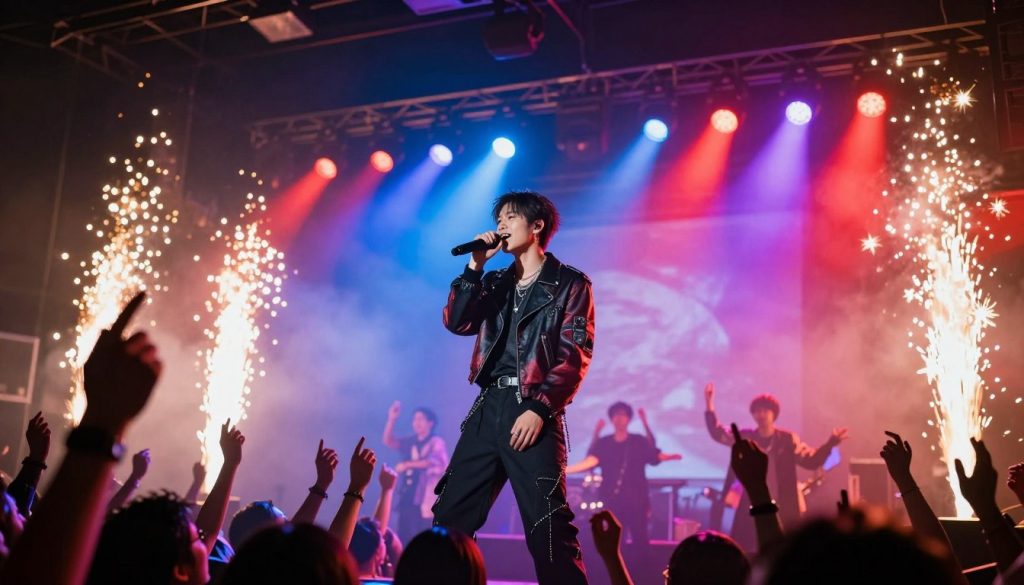
Adjusting Contrast and Saturation for Stage Looks
Concert stages often have extreme lighting, creating deep shadows and bright highlights. To capture this, increase the contrast to make your subject stand out. High contrast helps define your pop icon’s silhouette, keeping them the focus.
Saturation is key in showing the energy of a live show. Boosting specific colors like neon blues or hot pinks can mimic stage spotlights. But, avoid over-saturation to prevent digital noise and loss of detail in skin tones.
Creating Mood with Custom LUTs
Custom Look-Up Tables, or LUTs, are crucial for a consistent look in your icon pack. Applying a specific LUT changes your image’s color science to match a mood. This makes every image in your collection feel part of a cohesive visual narrative.
LUTs let you try different color grades without changing your base image. Save your favorites as presets to speed up your workflow. This professional approach saves time and ensures your final output looks film-like.
| Stage Mood | Contrast Level | Saturation Shift | Primary Color Tone |
|---|---|---|---|
| High-Energy Pop | High | Increased | Vibrant Magenta/Cyan |
| Intimate Acoustic | Moderate | Desaturated | Warm Amber/Gold |
| Dark Industrial | Very High | Low | Cool Steel/Blue |
| Retro Synthwave | Balanced | High | Neon Purple/Pink |
Managing Consistency Across Your Icon Pack
Creating a clear visual framework is key to a cohesive set of celebrity ai pop icons. When making multiple images for one project, keeping the character consistent is the main challenge. Without a structured plan, your collection might seem scattered rather than polished.
Maintaining Character Identity in Multiple Scenes
To keep your character consistent across different poses, use fixed reference points. A consistent seed number in your tool helps keep the face’s structure the same. Also, use character reference features or LoRA models to keep facial traits consistent.
Consistency isn’t just about the face; it’s about the overall silhouette. Make sure hair, makeup, and signature accessories stay the same in every image. Testing these elements early saves you from having to redo entire batches of celebrity ai pop icons later.
Building a Cohesive Visual Style Guide
A professional style guide is your creative compass during production. It should outline color palettes, lighting, and texture settings. Defining these standards ensures every image in your pack looks high-quality.
Your guide should also cover background blur and sparkle effects. Documenting these choices creates a unified visual language for your work. This detail turns a random collection into a polished, marketable set of celebrity ai pop icons that clients will trust.
Ethical Considerations and Creative Integrity
When you start using AI to create pop icons, remember to keep your creative integrity strong. It’s important to think about how your work affects the digital world. Professionalism is not just about making good images. It’s also about the choices you make while creating.
Navigating AI Usage Policies
Every platform for making images has rules you must follow. These rules help keep everyone safe from harmful content. Make sure to avoid creating pop icon ai porn or anything else that breaks these rules.
Learn about the Google Privacy Policy and the rules of your AI software. Staying within these rules keeps your account safe and your work available. Responsible usage helps you keep a good name as a digital artist.
Respecting Celebrity Likeness and Rights
Working with celebrity likenesses can be tricky because of legal issues. Public figures have rights about how their images are used. Always try to make original art instead of just copying someone’s face.
Respecting these rights helps avoid legal trouble and makes the creative community better. By focusing on art, not exploitation, you build a brand that’s innovative and ethical. Here’s a table showing the right way to do things and the wrong way in AI generation.
| Practice Area | Responsible Approach | Risky Behavior |
|---|---|---|
| Content Creation | Original artistic concepts | Generating pop icon ai porn |
| Platform Usage | Adhering to Terms of Service | Ignoring safety guidelines |
| Celebrity Rights | Transformative, creative work | Unauthorized likeness replication |
| Professionalism | Building a positive portfolio | Distributing harmful imagery |
Troubleshooting Common AI Generation Issues
When your creative process hits a snag, knowing how to troubleshoot effectively is essential for maintaining high-quality output. Even the most advanced AI generation tools occasionally produce unexpected results that require manual intervention. By mastering a few simple techniques, you can keep your workflow moving smoothly and efficiently.
It is important to remain mindful of your platform’s safety guidelines. Users sometimes inadvertently trigger filters related to pop icon ai porn when attempting to generate hyper-realistic celebrity imagery. If you encounter such blocks, review your prompt structure to ensure it focuses on artistic lighting and stage aesthetics rather than restricted content.
Fixing Artifacts and Lighting Glitches
Visual artifacts often appear as strange textures or unwanted noise in your final render. You can usually eliminate these by adjusting your denoising strength or increasing the sampling steps in your software settings. If you notice harsh lighting glitches, try the following steps:
- Lower the contrast settings to prevent blown-out highlights.
- Use a soft-focus filter to blend sharp, unnatural edges.
- Adjust the light source coordinates to ensure consistent shadows.
If you experience persistent technical difficulties with your software, check your account status. You may need to Reset Password or verify your Account Email Address to regain full access to your generation tools and cloud storage.
Refining Hands and Complex Details
Generating realistic hands remains one of the most difficult tasks for AI models. When the software struggles with anatomy, you should utilize in-painting tools to mask the area and regenerate it with a more specific prompt. Focusing on the hand’s position relative to the microphone or stage prop often yields better results.
To improve overall detail, consider these professional tips:
- Upscale in stages: Process the image in smaller sections to maintain high resolution.
- Use negative prompts: Explicitly exclude terms like “deformed fingers” or “extra limbs” to guide the AI.
- Reference layers: Overlay a clean texture layer to smooth out skin imperfections.
By applying these refinements, you ensure that your final pop icon images look polished and professional. Consistency in your troubleshooting approach will save you time and help you achieve the perfect 4K aesthetic every time.
Conclusion
Creating celebrity AI pop icons is a mix of technical skill and creative vision. You now have the tools to turn simple ideas into dynamic visuals. These visuals capture the spirit of a live show.
Your path in AI-generated images depends on balancing light effects with character consistency. Using these professional methods keeps your work unique in a busy digital world.
Always follow ethical practices in your work. This means respecting public figures’ rights while exploring software limits. It builds trust in your portfolio over time.
Keep trying new things to find your own style. Share your work with others to get feedback and new ideas. Every image you make brings you closer to shaping digital entertainment’s future.
FAQ
How can I achieve high-quality 4K closeups of my favorite music stars?
To get 4K closeups of stars like Ariana Grande or Harry Styles, use tools like Topaz Photo AI or Gigapixel AI. Focus on details like skin texture and iris reflections. This will make your images look stunning.
What are the best AI generation tools for creating professional-grade imagery?
Midjourney and Stable Diffusion are top choices for high-quality images. They let you use prompt engineering to get the look of a Dua Lipa video or a The Weeknd concert.
How do I ensure my generated images reflect authentic concert vibes?
To capture the essence of a concert, use keywords like “volumetric stage lighting” and “crowd bokeh.” Describe the performer’s interaction with the atmosphere. This will bring the energy of a Beyoncé or Taylor Swift show to life.
Can AI simulate complex stage lighting like spotlights and volumetric fog?
Yes, AI can handle stage lighting. Use prompts for “rim lighting” and “cyan and magenta gels.” Adobe Firefly can help refine these details, creating dramatic depth.
What should I do if the AI filter blocks my prompt due to pop icon ai porn restrictions?
If your prompt is flagged, refine your language. Use specific terms for fashion and stagecraft. Avoid ambiguous terms that might trigger filters. Keep your workflow secure and compliant.
How do I add sparkle effects and glitter overlays to the outfits?
To add sparkle, use digital brushes in Adobe Photoshop. Or, include keywords like “shimmering sequins” in your AI prompts. This will add these textures to your images.
What is the best way to maintain character identity across multiple scenes?
To keep a character like Rihanna consistent, use a “Character Reference” parameter. Or, train a LoRA on specific professional-grade imagery. This ensures consistent facial features and style.
How can I fix anatomical issues like distorted hands or lighting glitches?
Artifacts and lighting glitches are normal. Use Stable Diffusion‘s “Inpainting” feature to fix areas like hands. This way, you can refine details without changing the whole image.
How do I regain access to my tools if I encounter login issues?
If you’re locked out, check your Account Email Address for security notifications. Most platforms have a Reset Password option. Remember, sites use reCAPTCHA for security, so update your browser.
What are the ethical considerations when generating celebrity AI art?
When making celebrity AI pop icons, respect the individuals’ likeness and rights. Use your projects for creative exploration or fan art. Always ensure your work maintains high integrity.