
 By admin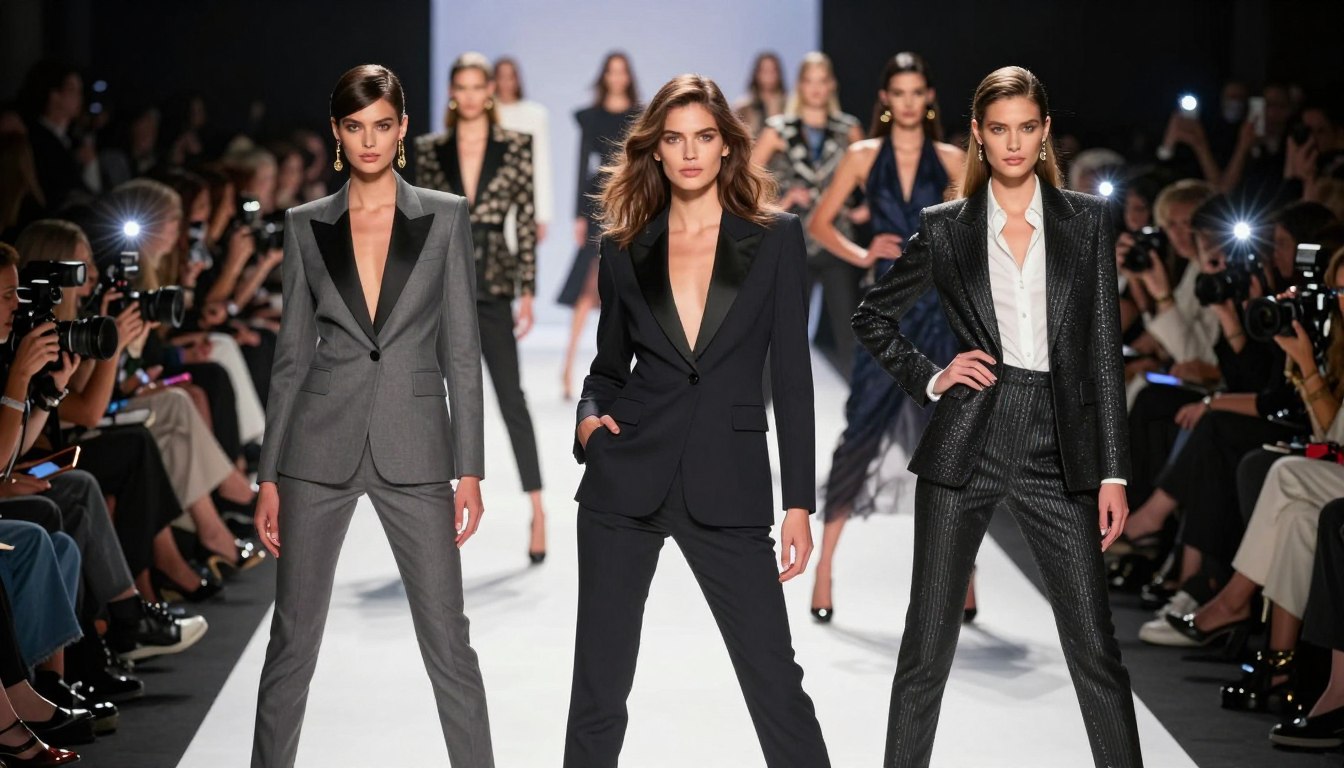
Ever thought about if the ultimate fashion icon is made of code, not flesh? The rise of celebrity ai supermodels is reshaping our view of high-end style. These digital stars are taking over Instagram, where people check in daily for new trends.
Now, you can use cutting-edge technology to create runway images as good as studio photos. By learning camera settings and digital lighting, you can make your virtual fashion dreams come true. This guide will help you stand out in the world of virtual fashion.
Key Takeaways
- Understand the impact of virtual icons on modern digital fashion trends.
- Learn how to utilize advanced software to generate high-quality runway visuals.
- Discover why platforms like Instagram are essential for showcasing your digital work.
- Master the technical camera settings required for professional-grade virtual shoots.
- Explore the creative potential of blending traditional photography with modern tech.
Understanding the Aesthetic of Celebrity AI Supermodels
To create a believable virtual presence, you need to understand the visual language of celebrity AI supermodels. The line between reality and digital art is getting thinner. Achieving a high-end look means capturing the subtle nuances of human beauty.
Defining the Digital Supermodel Look
The success of an supermodel AI comes from balancing realistic features with idealized proportions. Focus on skin texture, light reflection, and micro-expressions to avoid a flat or artificial look. Consistency is key, making your digital model recognizable across different platforms.
“The future of fashion is not just about the clothes, but the digital canvas upon which they are displayed. We are witnessing a revolution in how identity is constructed in virtual spaces.”
Here’s a comparison of essential aesthetic traits between traditional models and AI supermodels:
| Feature | Traditional Model | AI Supermodel |
|---|---|---|
| Skin Texture | Natural Imperfections | Procedural Realism |
| Proportions | Fixed Physicality | Adjustable Geometry |
| Consistency | Variable by Lighting | Programmed Uniformity |
Analyzing Current Trends in AI Fashion
The industry is moving towards more diverse and inclusive representations. Designers use supermodel AI to showcase clothes on different body types and ethnicities. This shift allows for more creativity and meets the demand for representation in global fashion.
By aligning your vision with these trends, your work stays relevant and impactful. The rise of celebrity AI supermodels offers a chance to explore beyond traditional photography. Focus on these aesthetic foundations to stay competitive in the digital market.
Essential Hardware for Fashion Photography
Your equipment choice affects your virtual fashion images’ quality. To achieve a high-end look like professional runway photos, your setup’s technical base is key. The right tools make every detail and light reflection look real.
Selecting the Right Camera Bodies
To capture the details of high-fashion digital scenes, you need a camera that excels in dynamic range and sensor performance. A high-resolution sensor helps show off complex fabric and skin textures clearly. Look for cameras with superior color depth for easier editing later.
When choosing a camera body, consider these important features:
- Full-frame sensors for better low-light shots and less noise.
- High megapixel counts for sharp details in big prints or displays.
- Advanced autofocus systems for precise tracking of movement.
- Robust build quality for long, intense shoots.
“The camera is merely an extension of the photographer’s vision; however, the right sensor acts as the canvas upon which that vision is brought to life.”
Choosing Prime Lenses for Runway Depth
To get a professional look like a runway show, you need a shallow depth of field. Prime lenses are best for this because they offer sharpness and wide apertures. They let you focus on your digital model while blurring the background, just like in real fashion photos.
For runway shots, focus on these prime lens focal lengths:
- 85mm lenses: The fashion industry standard for flattering portraits.
- 50mm lenses: A versatile choice that feels natural, like the human eye.
- 35mm lenses: Great for showing the full outfit and the runway.
Use these lenses at wide apertures, like f/1.4 or f/1.8, for a stunning bokeh effect. This soft, blurred background makes the model stand out, focusing the viewer’s attention on the clothes.
Mastering Runway Poses for Digital Models
Creating a virtual supermodel involves precise movement. The illusion of movement makes a digital image stand out. By focusing on body mechanics, your models can look as confident as real runway stars.
The Classic Power Walk Stance
The power walk is key for a great runway look. Make sure the model’s weight is slightly forward for forward momentum. Keep shoulders relaxed and gaze straight ahead for confidence.
Focus on hips and feet alignment. A slight cross-step motion, or “catwalk stride,” adds rhythm. This prevents the model from looking stiff.
Dynamic Pivot and Turn Techniques
Dynamic pivots add energy to your images. They suggest the model is turning, creating visual interest. This highlights fabric flow and silhouette.
To turn convincingly, rotate the torso slightly away from the camera. Keep the head towards the lens. This tension and movement draw the viewer’s eye.
Executing the Perfect Mid-Runway Stop
The mid-runway stop is perfect for showing off fashion details. The model should transition from walking to standing firmly. This stable pose lets the camera focus on textures and details.
Here’s a table showing how poses affect your fashion content:
| Pose Type | Primary Goal | Visual Impact |
|---|---|---|
| Power Walk | Showcase movement | High energy and confidence |
| Dynamic Pivot | Highlight silhouette | Fluidity and elegance |
| Mid-Runway Stop | Detail focus | Professional and polished |
Configuring Fashion-Lens Cameras for High-End Results
Learning to adjust your virtual camera settings is key to achieving professional results. By treating your AI software like a real camera, you can control the look of your fashion photos. These tweaks help you achieve the cinematic quality seen in top fashion magazines.
Adjusting Aperture for Bokeh Effects
The aperture setting controls the depth of field. Choose a wide aperture, like f/1.8 or f/2.8, to blur the background. This creates a bokeh effect, focusing on your model and clothes.
Wide apertures draw the viewer’s eye to the model and clothes. They remove background distractions, keeping the focus on the fashion. Here are some tips for the best results:
- Lower f-stop numbers enhance background blur.
- Make sure the model’s eyes are sharp.
- Try different focal lengths for unique bokeh effects.
Shutter Speed Settings for Motion Blur
To capture the energy of a runway walk, adjust your shutter speed. A perfectly still image can look unnatural. Lowering your shutter speed adds a subtle motion blur that looks more natural.
This technique makes your fashion shots feel more real and urgent. For a sense of speed, use a shutter speed between 1/60 and 1/125. Remember these tips when adjusting your settings:
- Faster shutter speeds (1/500+) freeze high-energy poses.
- Slower shutter speeds add flow and energy.
- Match your shutter speed with your lighting to avoid overexposure.
Lighting Techniques for Virtual Runway Environments
You can turn a simple digital image into a stunning fashion piece by playing with light. Lighting is key in any fashion show, especially online. By learning these tricks, your models will look real and grounded.
Simulating Studio Strobe Lighting
To get a pro look, mimic studio strobes. Start with a main light at a 45-degree angle to your model. This style is common in top fashion magazines.
Then, add a fill light to soften the edges. Keep this light’s intensity low to add depth. Finally, a rim light behind the model makes them pop against the background, giving your digital runway a polished look.
Creating Dramatic Shadows for Runway Depth
Shadows are key for adding dimension. By making light and dark areas contrast more, you draw attention to fabric and silhouette. Deep shadows keep your images from looking flat or fake.
Here’s a table to guide you in choosing the right lighting for your fashion project:
| Lighting Style | Key Light Intensity | Shadow Depth | Best For |
|---|---|---|---|
| High-Key | High | Minimal | Bridal or Light Fabrics |
| Low-Key | Low | Maximum | Evening Wear |
| Dramatic | Medium | High | Avant-Garde Pieces |
| Soft Studio | Medium | Low | Commercial Fashion |
Playing with these settings lets you control the mood and impact of your images. Remember, the goal is to make your digital model feel real on the runway. With practice, your digital fashion work will get much better.
Advanced Prompt Engineering for Supermodel AI
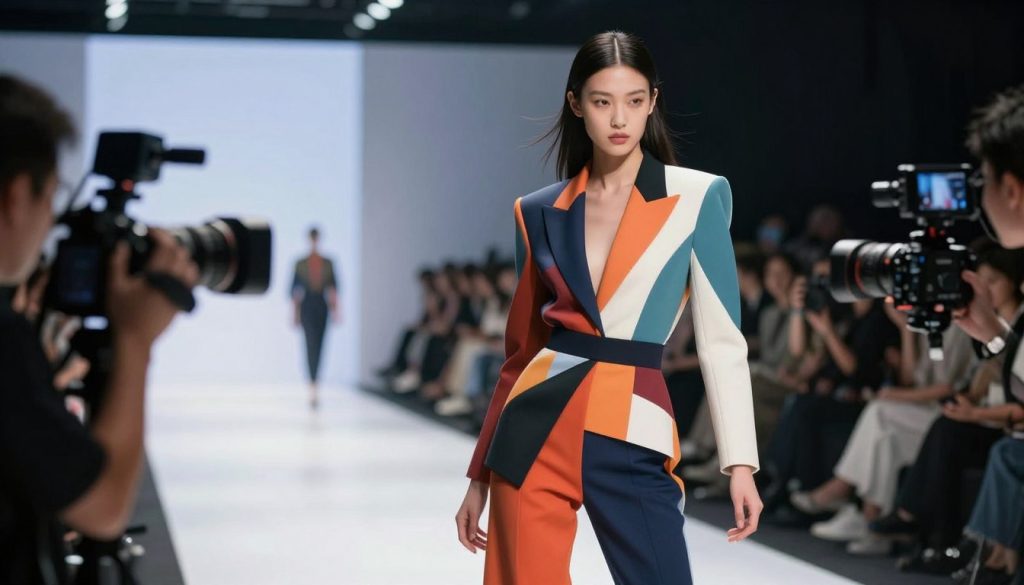
Getting precise with your text inputs is key to unlocking supermodel ai tools’ full potential. Going beyond simple descriptions lets you control the output of your digital fashion shoots. This ensures your vision turns into stunning images.
Structuring Prompts for Consistent Facial Features
Keeping a model’s look consistent across poses is tricky with celebrity ai supermodels. Use a consistent character reference or a fixed seed number in your software. Locking your seed keeps the facial structure the same while you change the pose or movement.
Also, create a detailed library of keywords that describe your model’s features. Include details like bone structure, eye shape, and skin tone in every prompt. This keeps your celebrity ai supermodels consistent in your editorial series.
Defining Fabric Textures and Material Physics
Fashion photography’s authenticity depends on how light interacts with surfaces. When asking for clothing, use specific material descriptors like brushed silk, distressed leather, or sheer organza. These keywords help the AI get the light reflection and shadow depth right for each fabric.
To make your supermodel ai images more realistic, add physics-based modifiers to your prompts. Use terms like draped, flowing, or structured to tell the AI how the garment should look on the body. Mixing these with precise lighting instructions will give you top-notch fashion visuals that look real.
Refining Fashion Imagery with Professional Editor Tips
Professional editors know that the magic of a high-fashion look happens long after the initial image generation. They transform raw AI outputs into polished masterpieces. This requires a keen eye and specific editor tips to ensure your work stands out in a crowded digital landscape.
Color Grading for High-Fashion Aesthetics
Color grading is the secret ingredient that turns a standard image into a luxurious editorial piece. By adjusting the shadows, midtones, and highlights, you create a cohesive color palette. This defines the mood of your collection.
“Color is a power which directly influences the soul. In fashion photography, it is the bridge between a simple garment and a high-end narrative.”
Retouching Skin Textures in Post-Production
Achieving a high-end finish requires careful attention to skin textures. You should aim for a natural look that retains pores and subtle imperfections. Avoid applying heavy, plastic-like filters.
Use frequency separation techniques to smooth skin tones while preserving the underlying structure of the face. This approach ensures your digital models look authentic and professional under any lighting condition.
Managing Fashion NSFW Content Guidelines
When working with AI, you must remain vigilant regarding fashion nsfw content policies. Most professional platforms have strict rules to prevent the generation of inappropriate or explicit material.
Always review your final exports to ensure they align with community standards. Maintaining compliance protects your account and ensures your portfolio remains accessible to a wider audience.
| Editing Task | Primary Goal | Compliance Check |
|---|---|---|
| Color Grading | Cohesive Aesthetic | Standard |
| Skin Retouching | Natural Texture | Standard |
| Content Review | Safety Audit | Fashion NSFW |
By integrating these editor tips into your workflow, you ensure that every image meets the highest industry standards. Consistent application of these techniques will elevate your digital fashion brand significantly.
Maintaining Ethical Standards in Fashion Content Creation
When you start using AI-generated models, keeping high ethical standards is key. The fast change in digital images means you need to be careful with virtual identities. By focusing on integrity, you make sure your work is respected in the fashion world.
Respecting Digital Likeness Rights
Handling digital likenesses with care is as important as working with real models. Using someone’s features without permission can cause legal issues and hurt your reputation. Always check that your data respects privacy and intellectual property rights.
Also, don’t create content that breaks safety rules, like fashion nsfw images. This can upset your audience and get you banned. Keeping a professional line helps avoid controversy. Professional integrity means respecting others’ rights in every digital project.
Transparency in AI-Generated Media
Being open is crucial for earning trust from your viewers. Just like Snap Inc. does with its Safety Center and Community Guidelines, you should be clear about your work. Labeling your AI-generated content helps set the right expectations and promotes a better online space.
By following these guidelines, you make your creative work both new and ethical. Transparency helps create a culture of responsibility in the fashion world. Commitment to safety and honesty will make your work stand out in a busy online world.
Optimizing Workflow for High-Volume Fashion Shoots
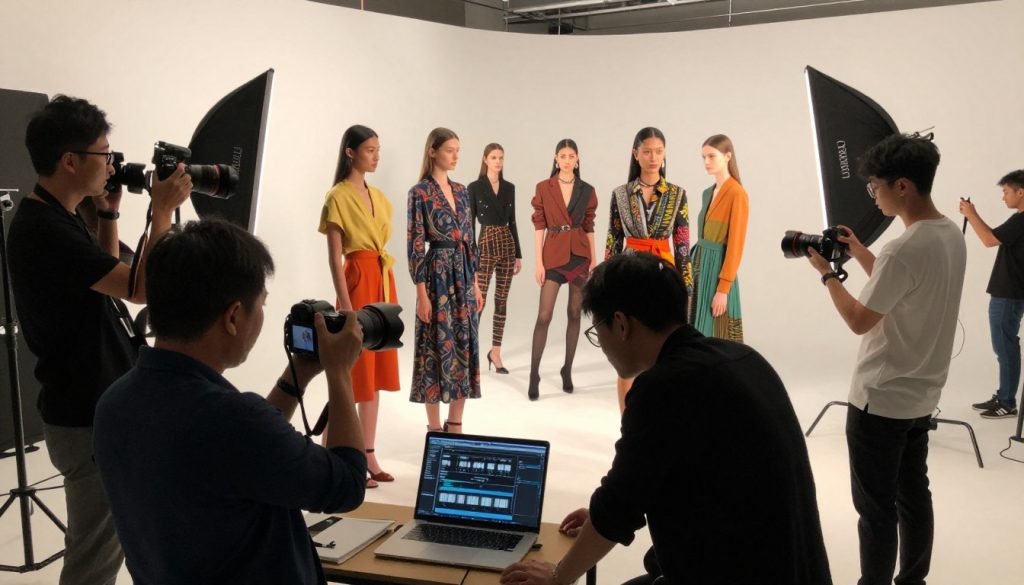
Scaling up your work while keeping quality high is tough. It needs smart habits. Managing big AI projects means time is very precious. By improving your technical steps, you make sure every image is top-notch without delays.
Batch Processing Your AI Generations
Automation is key for big image sets. Don’t make every frame by hand. Use batch tools to send out your prompts. This keeps consistent lighting and style in your work while you do other creative things.
Using editor tips early can save a lot of time. Test your prompts on a few samples first. This makes sure your final work matches your vision. It’s great for making many versions, like for fashion nsfw or special editorial pieces.
Organizing Assets for Efficient Editing
A messy file system slows you down. Use a clear naming system with date, project, and model details. This makes finding files easy when editing.
Think about a digital asset management system to track your work. Keep raw, masks, and final files in different folders. This makes your editor tips work better. Good organization keeps your fashion nsfw safe and easy to find throughout your project.
| Workflow Stage | Primary Goal | Efficiency Gain |
|---|---|---|
| Prompt Testing | Refining Style | High |
| Batch Generation | Volume Output | Very High |
| Asset Sorting | File Management | Medium |
| Final Retouching | Polishing Details | Low |
Troubleshooting Common AI Generation Artifacts
Even the most advanced supermodel ai models sometimes make visual mistakes. These tools are great but can struggle with human body shapes or light details. Using editor tips helps keep your work looking top-notch.
Fixing Hand and Limb Distortions
Hand and limb distortions are common in complex poses. You can fix these by using generative fill tools on specific parts. Masking the affected limb helps the software focus on the right anatomy.
If AI still can’t get it right, try manual compositing. Blend parts from different generations for a seamless look. This takes time but is crucial for keeping your fashion photography perfect.
Correcting Inconsistent Lighting Patterns
Inconsistent lighting can ruin a virtual runway scene. Use editor tips like dodge and burn to even out the light. Adjusting highlights and shadows manually keeps the subject grounded.
Color grading also helps fix lighting issues. Apply a consistent color across the image to hide small differences. Learning these tricks will make your supermodel ai work look professional.
Conclusion
Your journey into AI-generated fashion photography is a big change. It’s how we share visual stories worldwide. You now know how to mix top camera gear with precise prompts to create amazing runway photos.
Doing well in this field means paying attention to details and keeping your style consistent. Every project helps build your unique digital art style.
The world of virtual modeling is always changing. New tools from Adobe and NVIDIA are coming out. Keep up with these updates to stay ahead in your work.
Try these techniques on your next shoot to see your vision come to life. Share your work with others and keep exploring what’s new in fashion photography.
FAQ
How can I ensure my supermodel ai creations look like high-end runway photography?
To get professional results, focus on advanced prompt engineering. Use tools like the Sony Alpha 7R V or the Canon EOS R5. Add specific editor tips to your workflow, like fine-tuning contrast in Adobe Lightroom. This way, you can create images that match the quality of Vogue or Harper’s Bazaar.
Which lenses are best for achieving the classic runway depth of field?
Choose prompts that mimic prime lenses, like the 85mm f/1.2 or 135mm f/1.8. These focal lengths are key in professional fashion photography. They create a shallow depth of field, or bokeh, which highlights the model and fabric textures.
How do I ethically navigate the creation of fashion nsfw content or digital likenesses?
When working with fashion nsfw or celebrity-inspired models, keep professional integrity in mind. Respect digital likeness rights by not using someone’s features for profit without permission. Also, follow guidelines from platforms like Snap Inc. and Instagram to ensure your work is both innovative and responsible.
What are the most effective editor tips for refining AI-generated skin textures?
In post-production, aim to remove the “plastic” look from AI images. Use frequency separation in Adobe Photoshop to smooth out tones while keeping pores and details. Adjusting color grading to include grain or warmth can also make your images feel more natural.
How can I fix common artifacts like hand distortions in my virtual fashion shoots?
To fix artifacts, use precise prompting and manual editing. For limb distortions, Generative Fill in Photoshop can help. Make sure your initial prompts include “anatomically correct hands” or “detailed fingers” to reduce errors.
Why is transparency important when publishing AI-generated fashion media?
Transparency builds trust with your audience. As digital media evolves, clear labeling of synthetic content is crucial. By openly using supermodel ai, you promote honesty and set standards for digital fashion globally.